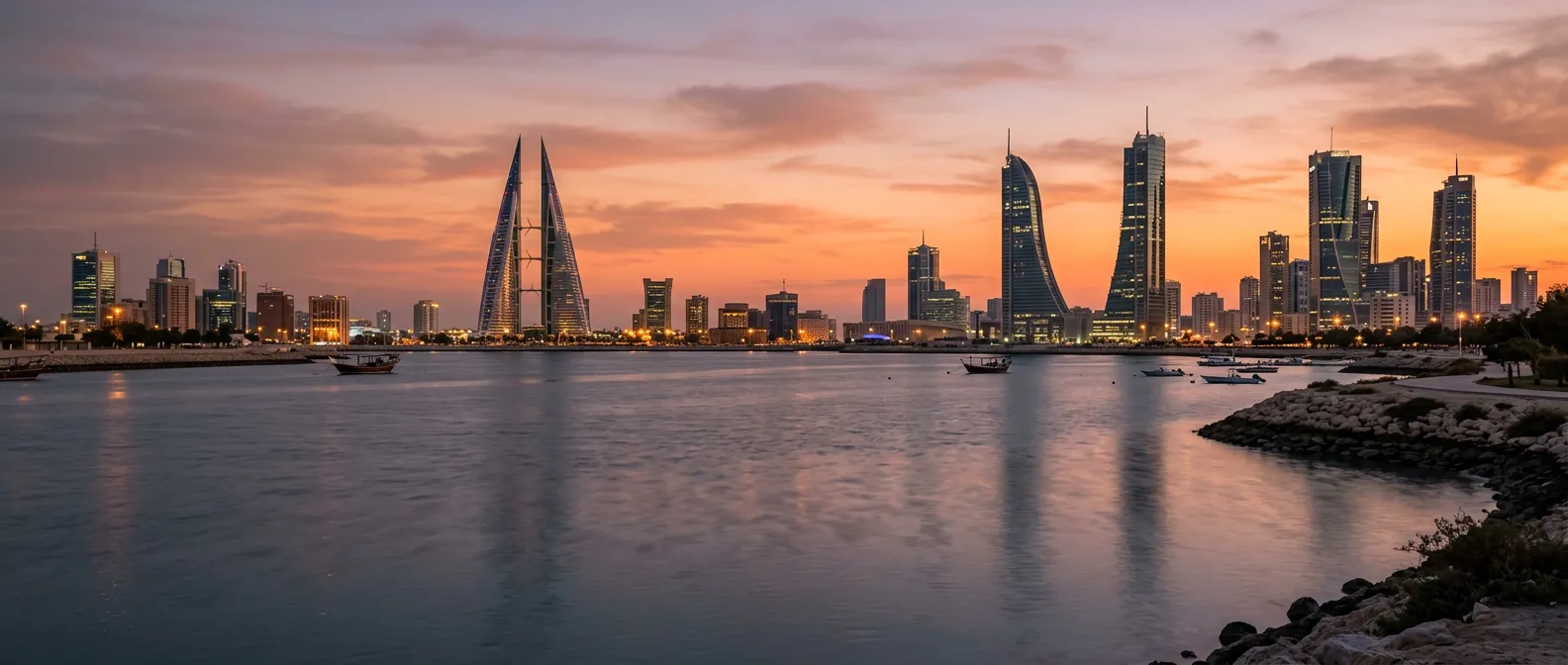
The safety situation in Bahrain is currently under real strain. Because of the volatile regional security picture, the Government of Canada advises against non-essential travel, and on July 20, 2026 the U.S. Embassy in Manama warned that Iran might seek to target unspecified locations in central Manama. Missile and drone strikes have already hit Bahrain, civilian infrastructure included. Crime remains low, yet demonstrations and terrorism are still concerns, so carry photo ID and dial 999 in an emergency.
Below you will find the advisories in force today, the rules that most often catch visitors out, and the numbers worth saving before you fly. This is an independent informational guide rather than a government site; for anything authoritative, turn to the NPRA eVisa portal. We neither charge fees nor file applications for you, so always double-check the details there before travelling.
Current Travel Advisories and Regional Risks
A number of governments have published travel advisories for Bahrain that mirror the unstable security climate in the region. Canada recommends skipping non-essential trips because of that regional volatility, while the UK Foreign Office calls the Middle East context deeply unpredictable and warns of a high risk of sudden escalation. Iran has stated that it intends to target locations associated with the US and Israel.
How does that translate into daily life? Strikes and retaliatory attacks have taken place across the region, Bahrain included, against both civilian and military infrastructure. Military activity can throw flights into disarray, and in April 2026 the airspace and the King Fahd Causeway to Saudi Arabia closed at the same moment. Review your departure plans regularly and keep away from the areas around security or military facilities.
Should an alert sound while you are there, follow the advice given by local authorities. If you are told to shelter, stay indoors or make for the nearest safe building; an interior stairwell, or a room with as few external walls and windows as possible, may offer extra protection. Falling debris from intercepts is the greatest danger, and drone or missile fragments should never be approached or touched.
Have contingency plans ready
Ones that do not depend on government help to leave, as Canada tells its citizens.
Buy travel insurance
Covering emergency costs.
Follow local and international media
For news on airports and airspace.
Keep your documents up to date
Make sure your passport and travel papers stay valid and within reach.
Think about registering for FCDO email alerts
Sign up for FCDO email alerts.
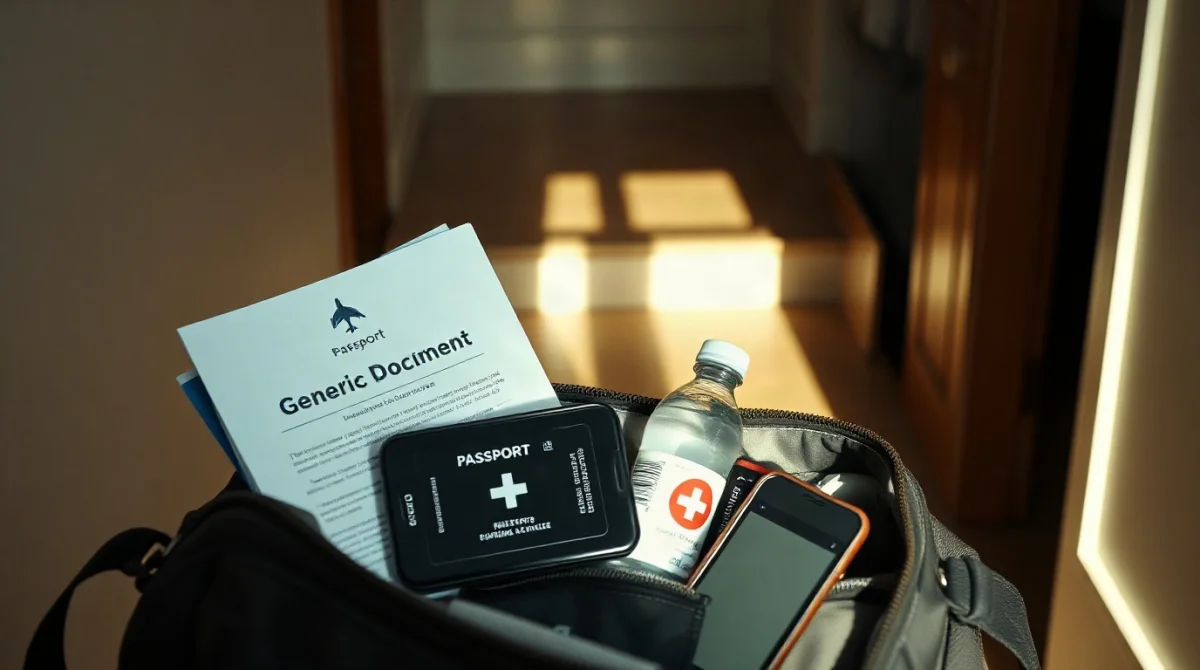
Keep an emergency go-bag packed
Follow FCDO advice on stocking emergency supplies.
For health preparation, turn to our guide on vaccinations and travel insurance.
Crime, Protests and Terrorism
Day-to-day crime is genuinely uncommon; the UK Foreign Office reports low crime across most areas, and Canada notes that violent crime is rare. Petty theft such as pickpocketing and purse snatching still happens, so look after your belongings as you normally would.
Terrorism is the bigger worry. Terrorists are likely to attempt attacks in Bahrain, and those attacks could be indiscriminate, including in places foreigners visit. Possible targets include residential compounds, military, oil, transport and aviation interests, as well as public spots like restaurants, hotels, beaches, shopping centres and mosques. Past explosive attacks in public places have killed and injured people, although none has succeeded for several years. Keep your wits about you, particularly during high-profile events.
Demonstrations and protests do occur, and peaceful ones can turn violent without warning. Traffic disruption, roadblocks and occasional clashes between security forces and protesters should be expected. Risk grows around the anniversaries of significant events and can flare up at little notice. Districts and villages with a history of unrest include Sitra, Karbabad, Adliya, Sanabis, Bani Jamra, Saar, Karzakan, the Budaiya Highway area, Diraz, Al Dair and Nuwaidrat. If a large gathering forms, walk away, since public gatherings on roads and in squares are temporarily banned.
Women travelling alone may encounter harassment or verbal abuse. Should you spot a suspicious item, move away and call the police on 999 or the Police Hotline 8000 8008, in line with the FCDO safety and security page.
Cultural Rules and Laws That Affect Your Safety
Bahrain is more liberal than plenty of its neighbours, yet the law is strict in places many visitors do not anticipate. Here are the rules that matter most for Bahrain safety:
- Photo ID: carrying photo identification, your passport for instance, is obligatory. A fine may follow if you cannot produce it when asked.
- Photography: filming or photographing security and military sites, operations or incidents is prohibited, and sharing such images, or unverified content about attacks, can lead to arrest and prosecution.
- Social media: posting material that criticises the government or monarchy, or content that is culturally insensitive, can amount to a crime.
- Dress: wear modest clothing, especially at religious sites. Women should avoid transparent fabrics and garments that expose shoulders or knees; men should not wear shorts in public. Nudity, topless sunbathing included, is forbidden.
- Alcohol: it is legal, but drunken behaviour in public can bring a fine, imprisonment or deportation. Drinking excessively even while in transit at the airport can mean detention and a fine.
- Drugs: banned even in residual amounts. Carrying or consuming drugs, airport transit included, can mean prison and deportation; trafficking can carry a life sentence, and even a small amount can bring a four-year minimum term.
- Drones: flying one without a valid licence or inside restricted airspace is illegal. Unlicensed import or use can result in imprisonment, fines and confiscation.
- Driving: drink-driving faces zero tolerance, so any alcohol in your system can mean a fine, a travel ban, withdrawal of your licence or prison.
- Public behaviour: offensive language, spitting and aggressive gestures, road-rage hand signals included, may end in a prison sentence and deportation.
- Same-sex relationships: not prohibited for adults 21 and over, though public affection may cause offence and could lead to arrest under public decency laws.
Our alcohol and Ramadan guide covers drinking rules along with Ramadan dos and don’ts.
Emergency Numbers and Practical Safety Tips
Save these numbers now: 999 reaches ambulance, fire and police, according to the FCDO getting help page, while 199 is for traffic accidents without injuries, according to the Government of Canada. Where a road accident involves injuries, dial 999 and leave your vehicle untouched until a report is filed, even if it is blocking traffic.
Roads are in very good shape, yet drivers are often aggressive, and drifting sand or roaming animals can pose a hazard. Travelling on main routes by daylight is usually orderly, though you should expect police checkpoints on major roads. Seatbelts are compulsory, and tailgating, speeding, lane jumping and phone use behind the wheel attract heavy fines.
Taxis are generally safe, so use only clearly marked cars, and either negotiate the fare beforehand or insist that the driver uses the meter, which prevents overcharging. Bear in mind that cellular coverage may be unavailable in certain areas. If you are heading out on the water, note the curfew on waterways from 6:30pm to 4am, and be aware that dhows may fall short of the safety standards you would expect, so check that lifejackets are on board. Canada also recommends caution in the Gulf of Oman, Northern Arabian Sea, Gulf of Aden and Bab El Mandeb, where vessels have been detained and attacked.
Caught up in a serious incident? Contact your travel provider and your insurer, since insurers usually want you to talk to the provider first. And arrange your Bahrain visa before you fly through https://www.evisa.gov.bh. If you plan to get behind the wheel, see our driving licence and IDP guide.
Frequently Asked Questions (FAQ)
Is Bahrain safe to visit right now?
Not entirely. Because of the volatile regional situation, Canada advises avoiding non-essential travel, and missile and drone strikes have struck Bahrain. Crime levels are low, but anyone who goes should buy insurance, keep departure plans flexible and stay away from areas near military or security facilities.
Which number is used for emergencies in Bahrain?
Dial 999 for ambulance, fire or police. For road accidents with no injuries, call 199 instead. Suspect items can also be reported to the Police Hotline on 8000 8008. Add all three to your phone before you arrive.
For safety in Bahrain, which places should I stay away from?
Keep clear of the villages and districts where protests are common: Sitra, Karbabad, Adliya, Sanabis, Bani Jamra, Saar, Karzakan, the Budaiya Highway area, Diraz, Al Dair and Nuwaidrat. Stay away from the surroundings of security and military facilities too, and leave any large gathering straight away.
Am I permitted to consume alcohol in Bahrain?
Yes, alcohol is legal and non-Muslims can buy it at special stores. Drunken public behaviour, however, is an offence that can bring a fine, imprisonment or deportation, and being drunk at the airport can get you denied boarding and detained.
What actions should I take when there is a missile or drone warning in Bahrain?
Do what local authorities tell you. If instructed to shelter, stay indoors or head to the nearest safe building; an interior stairwell, or a room with as few external walls and windows as possible, may give extra protection. Falling debris from intercepts is the main danger, so remain inside a secure structure.
Is it necessary for me to have identification with me in Bahrain?
Yes, the law requires it. You must carry photo ID such as your passport, and failing to show it when asked is an offence that can end in a fine. Keep a copy in your hotel safe as a backup.
Are taxis safe in Bahrain?
Generally yes. Use only clearly marked taxis, and either agree the fare in advance or insist the driver turns on the meter, since overcharging does happen. Reputable companies are the safer option for personal security.
What preparations for safety in Bahrain should I make prior to traveling?
Buy insurance that covers emergencies, draw up contingency departure plans that do not rely on government assistance, as Canada advises, and keep your passport valid and accessible. Watch the media for airspace updates, pack a go-bag, and arrange your eVisa in advance at https://www.evisa.gov.bh.
Sources and verification
- Government of Canada – Travel advice and advisories: Bahrain – risk level, regional tensions, crime, plus road and health guidance (verified 2026-10-10)
- UK FCDO – Bahrain travel advice – regional tensions, shelter instructions, travel disruption (verified 2026-10-03)
- UK FCDO – Bahrain: safety and security – terrorism, protests, laws, dress code, emergency hotlines (verified 2026-10-10)
- UK FCDO – Bahrain: getting help – emergency numbers and consular support (verified 2026-10-04)
- Bahrain eVisa (NPRA) – visa eligibility checks and applications (verified 2026-10-09)
Dane zebrane na podstawie: TravelRequirements.info – Entry Requirements Dataset, AXG Sp. z o.o., https://travelrequirements.info/data/ (CC BY 4.0)
About this guide
This guide was put together by the editorial team at an independent informational site for travelers needing a Bahrain eVisa. Each fact is drawn from the government pages linked above, with no estimates of our own. The sources were last reviewed on 2026-10-12, and because rules change, check the portal before your trip.