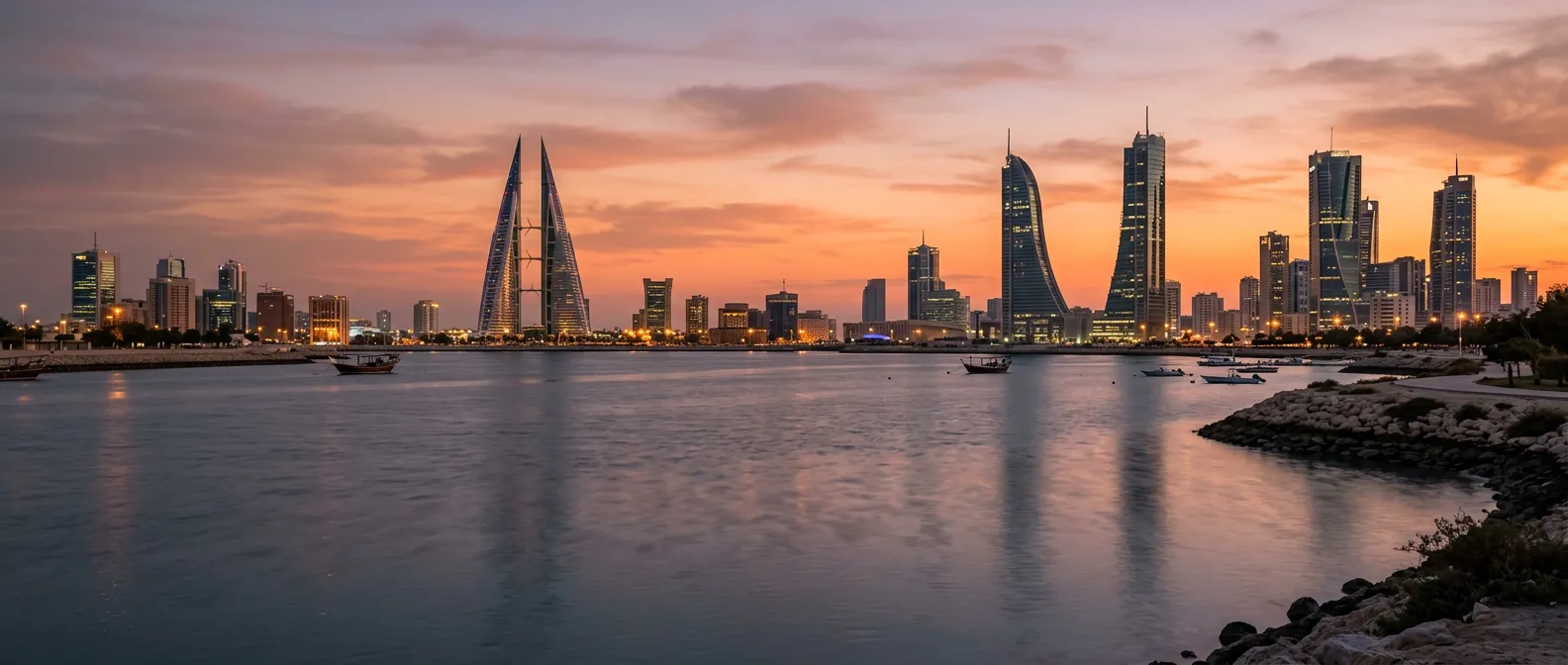
In Bahrain, alcohol itself is permitted; what the Bahrain alcohol rules actually regulate is your conduct rather than whether drinks are available. Being intoxicated in a public place breaks the law, and the consequences can include a fine, a jail term, or removal from the country. The same standard applies behind the wheel, where no trace of alcohol in your body is tolerated. Under Bahraini law, consuming food, beverages, or cigarettes in public while the sun is up during Ramadan may constitute an offence.
Anyone heading to the Kingdom of Bahrain, and first-time travellers in particular, will find this guide useful. Because it is an independent, unofficial travel guide rather than a government website, the links you see here point to the official Bahrain eVisa portal at https://www.evisa.gov.bh, where you can verify your eligibility and submit an application on your own; nobody here collects payments or files paperwork for anyone else. You’ll discover what the drinking laws permit in practice, how Ramadan alters things, and which local customs help you stay out of trouble. Since regulations do change, confirm the rules in force on the official portals before setting off.
Bahrain alcohol rules: drinking laws explained
Drinking is allowed in Bahrain, which ranks among the more liberal states in the Gulf. What is not allowed is public intoxication: according to a warning from the UK Foreign Office, behaving drunkenly in public breaches the law, and the penalties may include a fine, a prison term, or deportation.
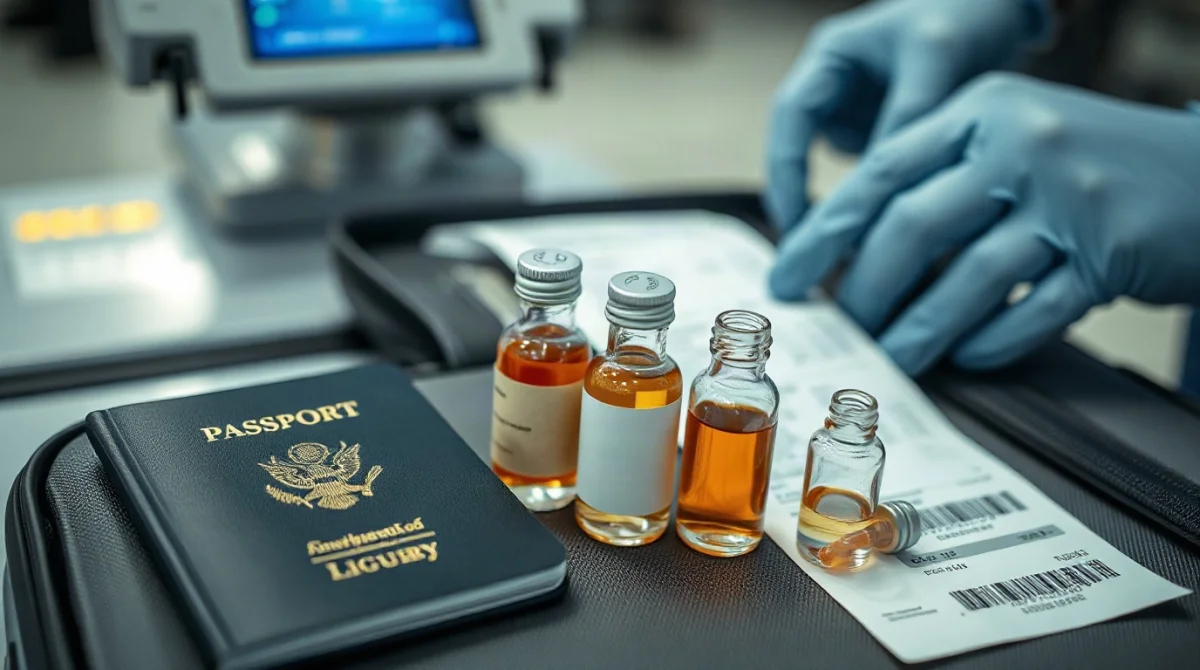
Airports follow the same principle. Anyone security officers or airline staff judge to be drunk, transit passengers included, will not be tolerated. You could be refused boarding, held in custody, and fined.
The strictest approach of all applies to driving. Should a test show any alcohol in your system while you are behind the wheel, the outcome may be a fine, a travel ban, loss of your driving licence, and potentially a prison sentence. No permitted threshold exists: the moment any alcohol is detected in your system, you have broken the law. Our guide on driving in Bahrain covers the wider road rules.
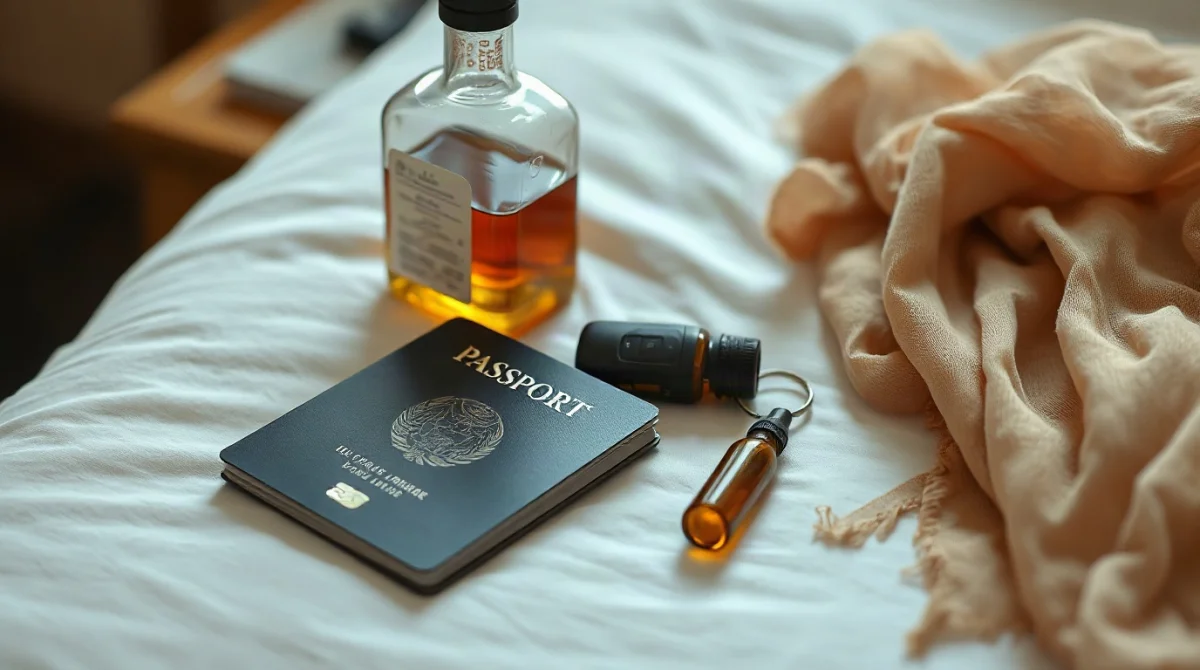
Banned substances are prohibited outright, down to the smallest residue. Using or transporting them, even while passing through the airport in transit, may result in imprisonment and deportation, while trading in them can bring a life sentence. Be careful with skincare items and e-cigarette refills: certain ingredients in them, CBD oil among them, are illegal in Bahrain. Our piece on customs rules and currency explains what you may bring across the border.
Ramadan travel in Bahrain: what changes
Should your trip fall during the Holy Month, a single rule stands out above the rest: no eating, drinking, smoking, or gum chewing in public while it is light outside, your car included. The UK Foreign Office cautions that such behaviour, together with loud music, dancing, or swearing in public, may be treated as a crime under Bahraini law.
Standards of modesty grow stricter in Ramadan too, so dress more conservatively than you otherwise would. Where hotels and restaurants offer food or drink during fasting hours, they may screen you off from Islamic guests, using partitions for instance. There’s no reason to feel offended; this is simply how things are done.
A handful of practical tweaks will make the month smoother. Build your meal times around whatever arrangements your hotel’s restaurant has, and keep your water drinking indoors. Showing respect for local traditions and faiths counts for even more now, since Bahrainis mark religious anniversaries that are not observed elsewhere in the Gulf. And when you notice drivers pulling into lay-bys to pray, which Muslims do five times daily, simply leave them room.
Beyond alcohol: cultural etiquette in Bahrain
Next to its neighbours, Bahrain comes across as liberal, yet conservative social attitudes persist. Wear modest clothing in public, above all at religious sites: steer clear of see-through garments, and if you are a woman keep your shoulders and knees covered, and avoid shirts carrying offensive images or slogans. Nudity is prohibited, and that includes sunbathing topless.
Keep photo identification on you, and your passport will do, since the law demands it; failing to produce it when asked can cost you a fine. Showing disrespect to religious beliefs or practices causes deep offence and may lead to a substantial fine or a prison term. Other faiths, however, are respected and may be practised without restriction.
Keep aggressive conduct out of public view. Foul language, spitting, and even “road rage” hand gestures are regarded as gravely offensive and may end in a prison sentence plus deportation. Filming or photographing security and military sites, operations, or incidents is off limits, and that extends to spreading unverified content about attacks on Bahrain or aggression against it; those who do so risk arrest and prosecution. Posts on social media that criticise the government or the monarchy, or that show cultural insensitivity, may be treated as a crime. Our safety and emergency guide lists police contacts.
Common mistakes tourists make in Bahrain
- Being drunk in public or at the airport – fines, imprisonment, deportation, or being refused boarding are all possible. Confine your drinking to licensed venues and keep your composure.
- Driving after any alcohol – zero tolerance brings a fine, a travel ban, licence withdrawal, and possibly prison. After drinking, do not drive at all.
- Eating, drinking, or smoking in public during Ramadan daytime – in Bahrain this can be a crime, even inside your own car.
- Dressing inappropriately – see-through clothing, bare shoulders or knees, or nudity give offence and can break modesty rules.
- Photographing security or military sites – arrest and prosecution are genuine risks.
- Posting insensitive social media content – criticising the government or the monarchy can constitute a crime.
- Leaving your passport at the hotel – the law requires you to carry photo ID, and without it you can be fined.
- Packing CBD oil or certain skincare products – certain ingredients, even in e-cigarette refills, are illegal in Bahrain.
Frequently Asked Questions (FAQ)
What are the Bahrain alcohol rules for tourists?
Alcohol is permitted, yet public drunkenness is not, and it may bring a fine, imprisonment, or deportation. Do your drinking at licensed venues such as hotel bars, and remain sober in public.
How do Bahrain’s rules on alcohol relate to driving?
Having any alcohol in your system behind the wheel can bring a fine, a travel ban, licence withdrawal, and possibly prison. No legal threshold exists, so never drive after drinking.
Am I allowed to eat in public in Bahrain during Ramadan?
No. Eating, drinking, smoking, and chewing gum in public during daylight hours, your car included, may amount to a crime. Keep food and drink indoors, at your hotel, or in screened restaurant areas.
Do hotels provide food during the fasting hours of Ramadan?
That varies by hotel: when a hotel or restaurant serves food or drink during fasting hours, it may separate you from Islamic guests, using screens for instance. Ask about your hotel’s arrangements at check-in.
As a visitor, what should I wear in Bahrain?
Dress conservatively, above all at religious sites and during Ramadan. Steer clear of see-through clothing, cover your shoulders and knees if you are a woman, and avoid offensive slogans. Nudity, topless sunbathing included, is prohibited.
Am I required to carry photo identification in Bahrain?
Yes, the law requires you to carry photo ID, a passport for example. If you cannot produce it when asked, a fine may follow.
Are CBD oil and e-cigarettes permitted by law in Bahrain?
Not always. Certain skincare products and e-cigarette refills contain ingredients that Bahrain prohibits, CBD oil among them. Read the ingredients and leave anything doubtful at home.
Am I required to have a visa to visit Bahrain during Ramadan?
Visa rules stay the same during Ramadan; entry requirements do not change with the month. Many nationalities, the US and UK included, qualify for a visa on arrival or an online eVisa; check eligibility at https://www.evisa.gov.bh.
Sources and verification
- UK Foreign, Commonwealth & Development Office – Bahrain travel advice: safety and security – legality of alcohol, Ramadan limitations, dress code, and ID rules (verified 2026-10-10)
- Bahrain eVisa (NPRA) – Countries eligible for visa on arrival – the list of eligible countries along with terms and conditions (verified 2026-10-10)
- Bahrain eVisa (NPRA) – Countries eligible for visa online – 209 countries and territories are listed for the online eVisa (verified 2026-10-10)
- Legislation and Legal Opinion Commission (Bahrain) – Aliens (Immigration and Residence) Act 1965 – passport and visa rules for landing in Bahrain (verified 2026-10-12)
Dane zebrane na podstawie: TravelRequirements.info – Entry Requirements Dataset, AXG Sp. z o.o., https://travelrequirements.info/data/ (CC BY 4.0)
About this guide
The editorial team at this independent travel information site prepared this guide for visitors who need a Bahrain eVisa. Each fact included here is drawn from the government pages linked above, with no estimates or outside sources. Our sources were last reviewed on 2026-10-12, yet legislation shifts, so verify the rules currently in force on the official eVisa portal ahead of your trip.